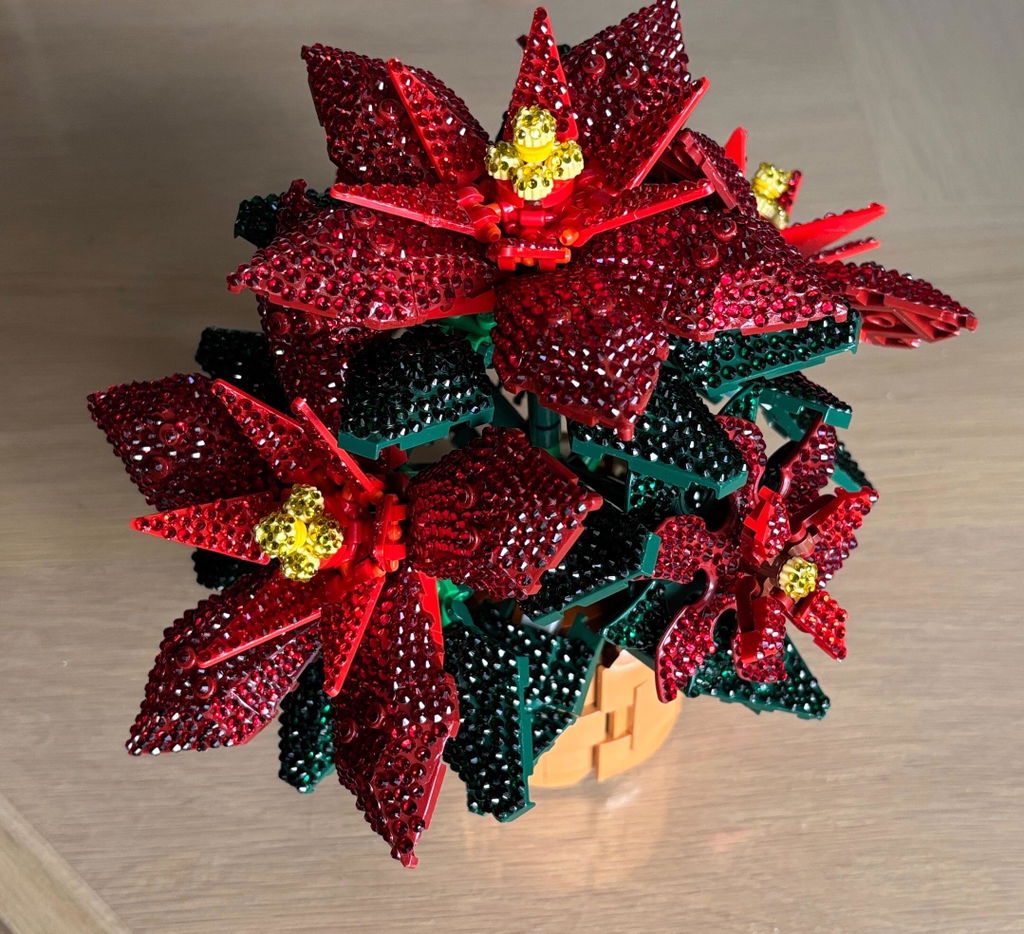
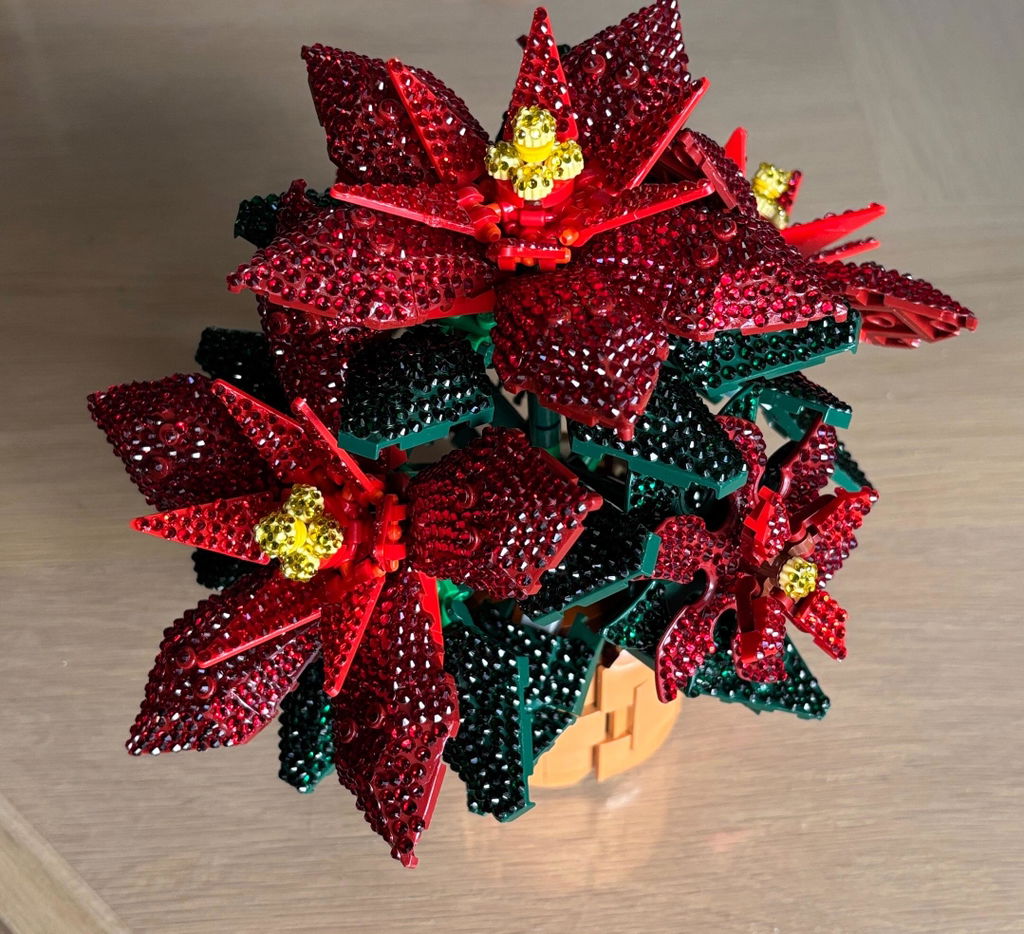
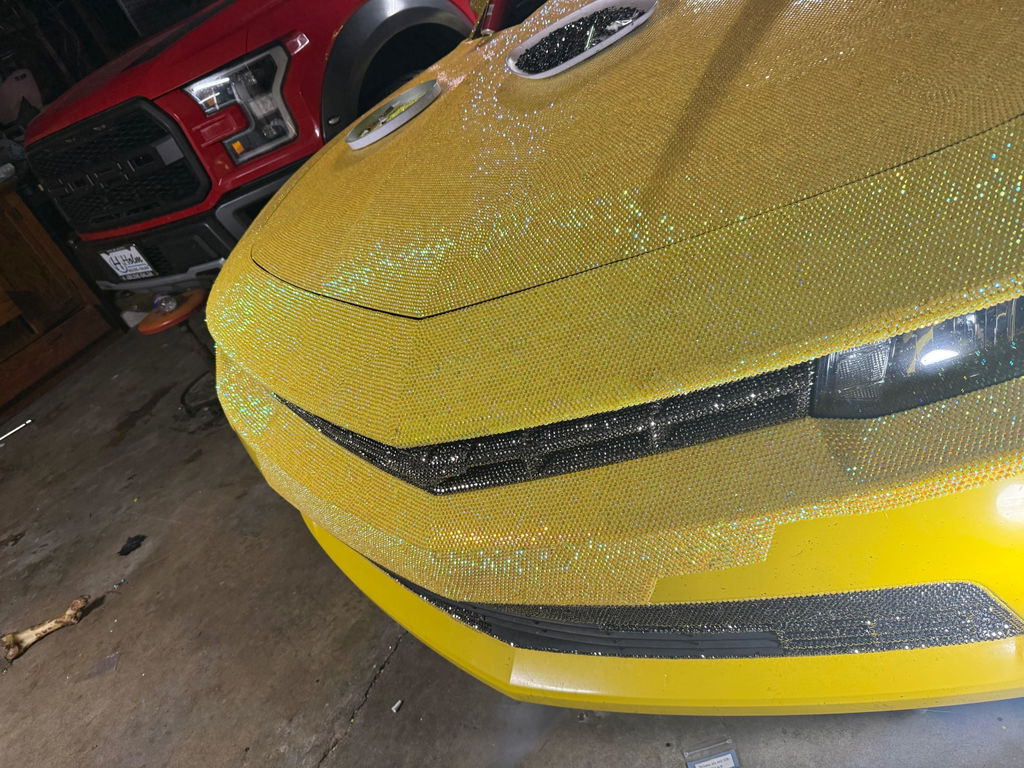
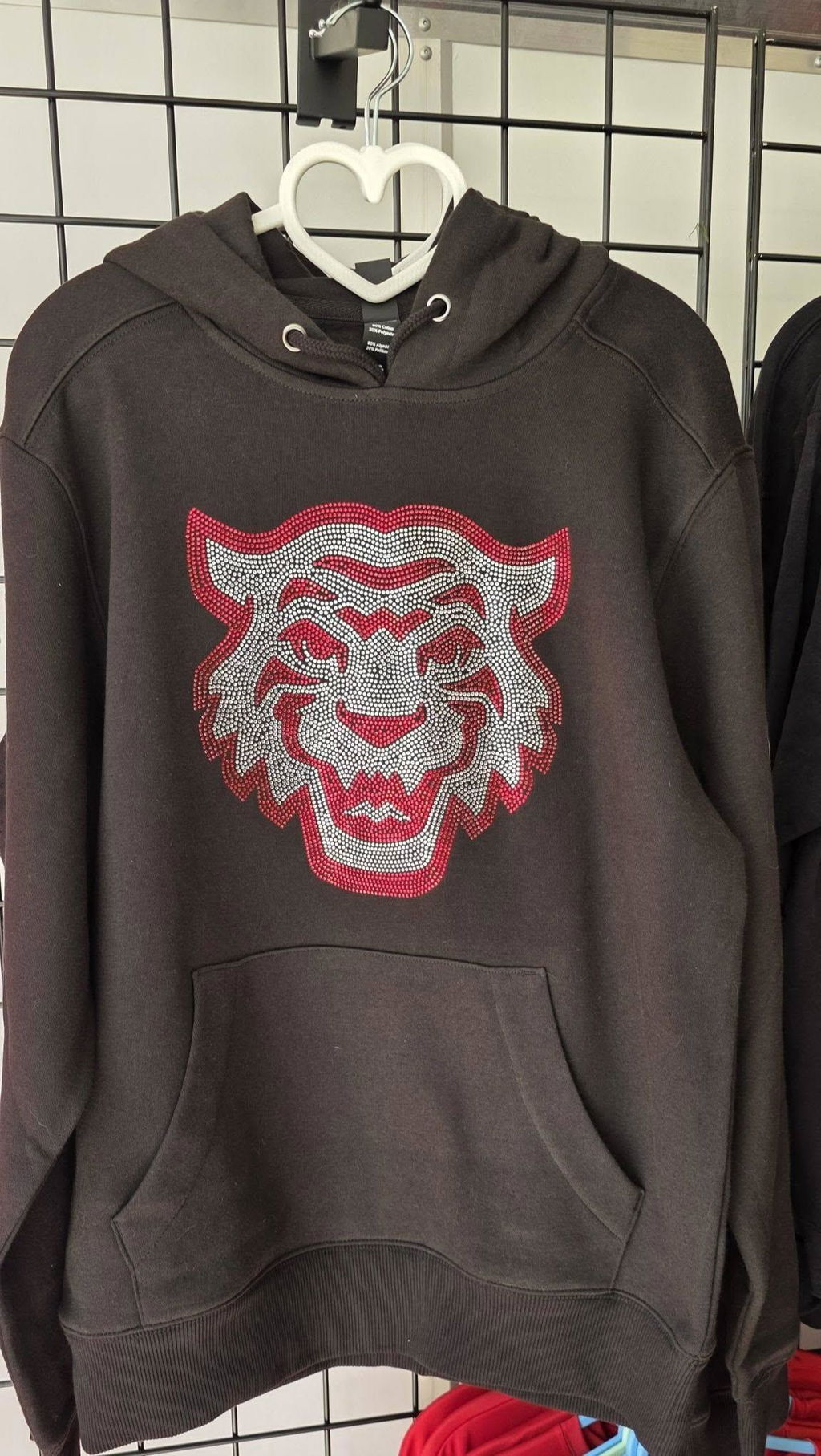
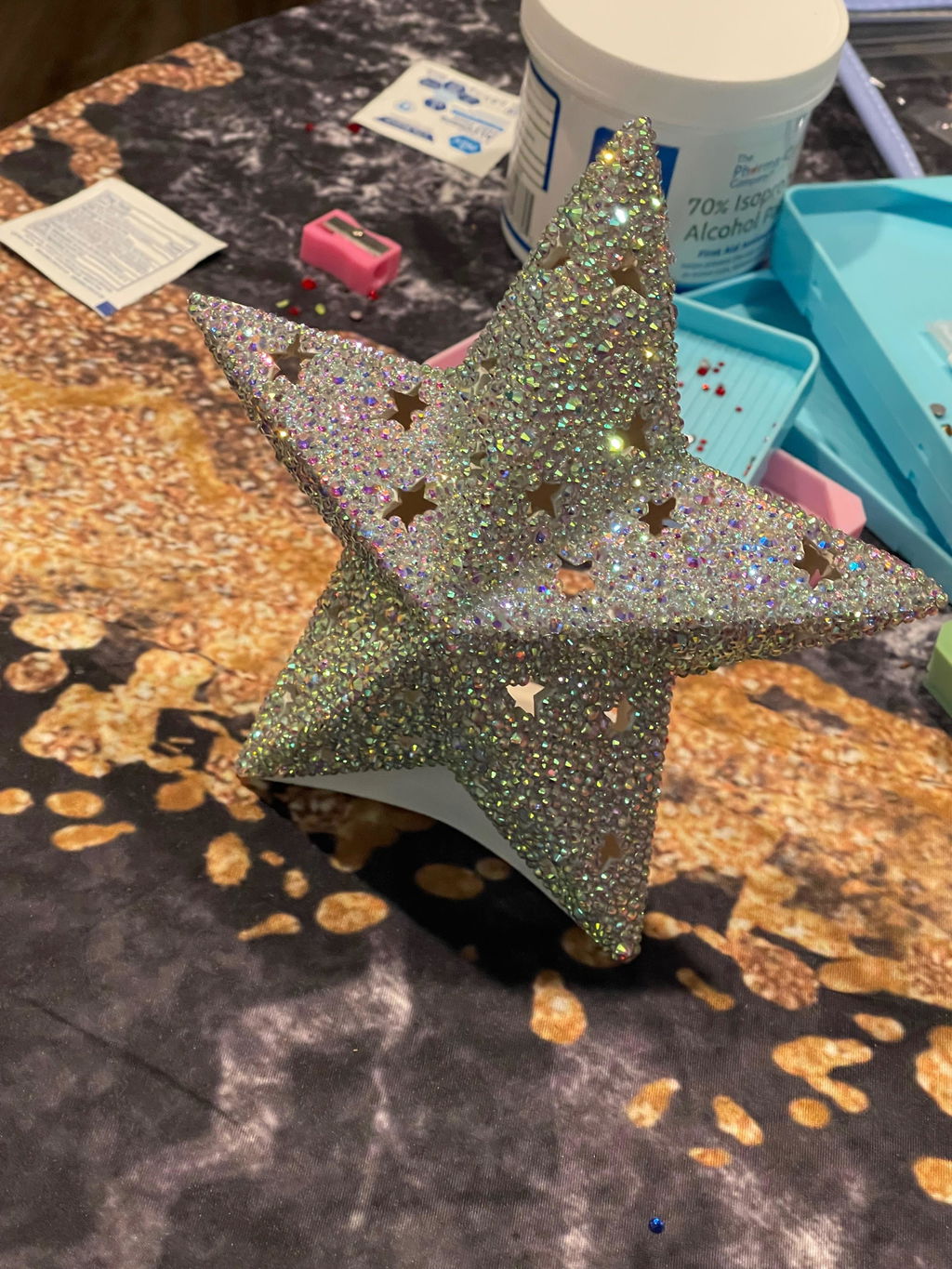
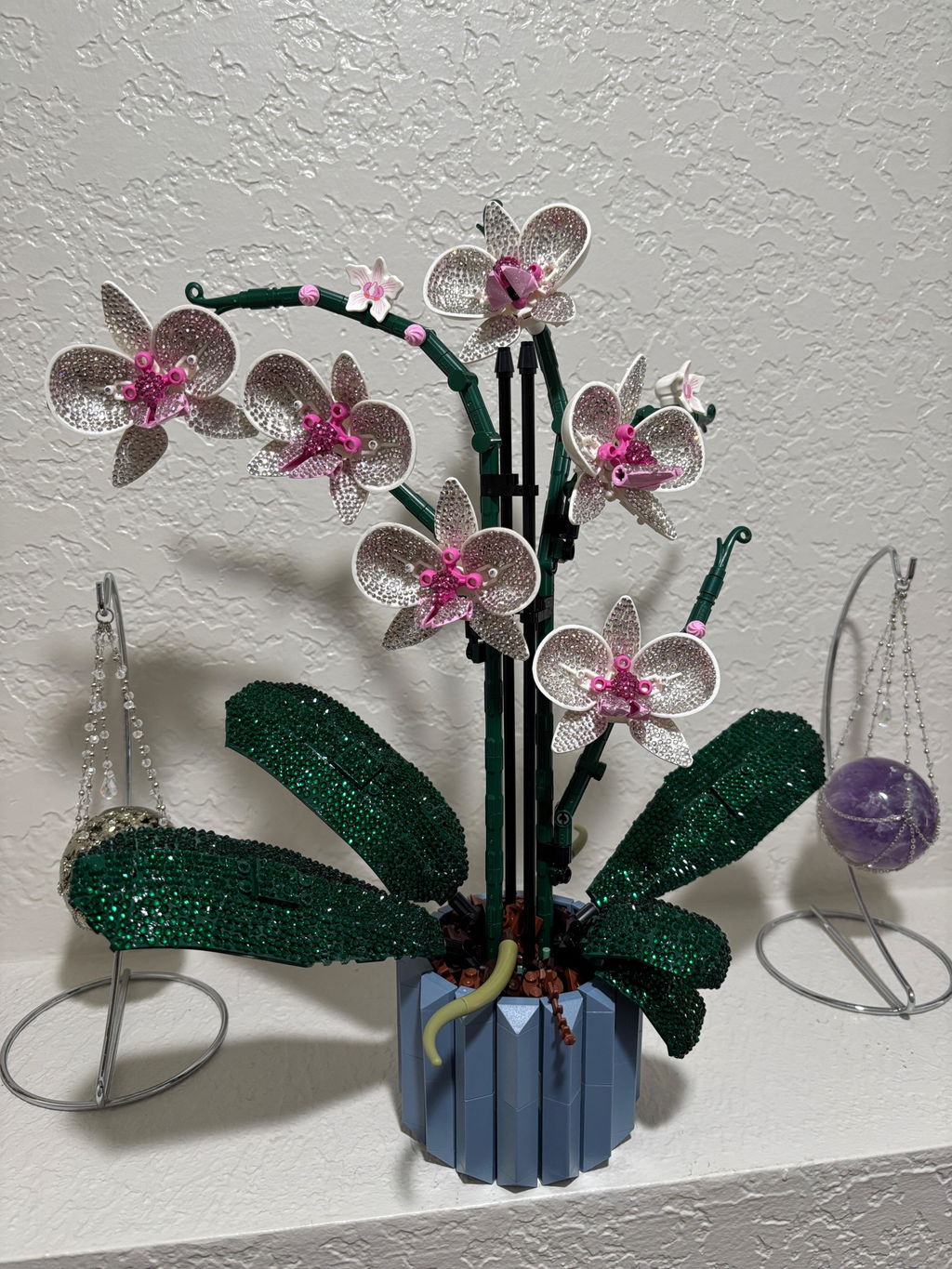
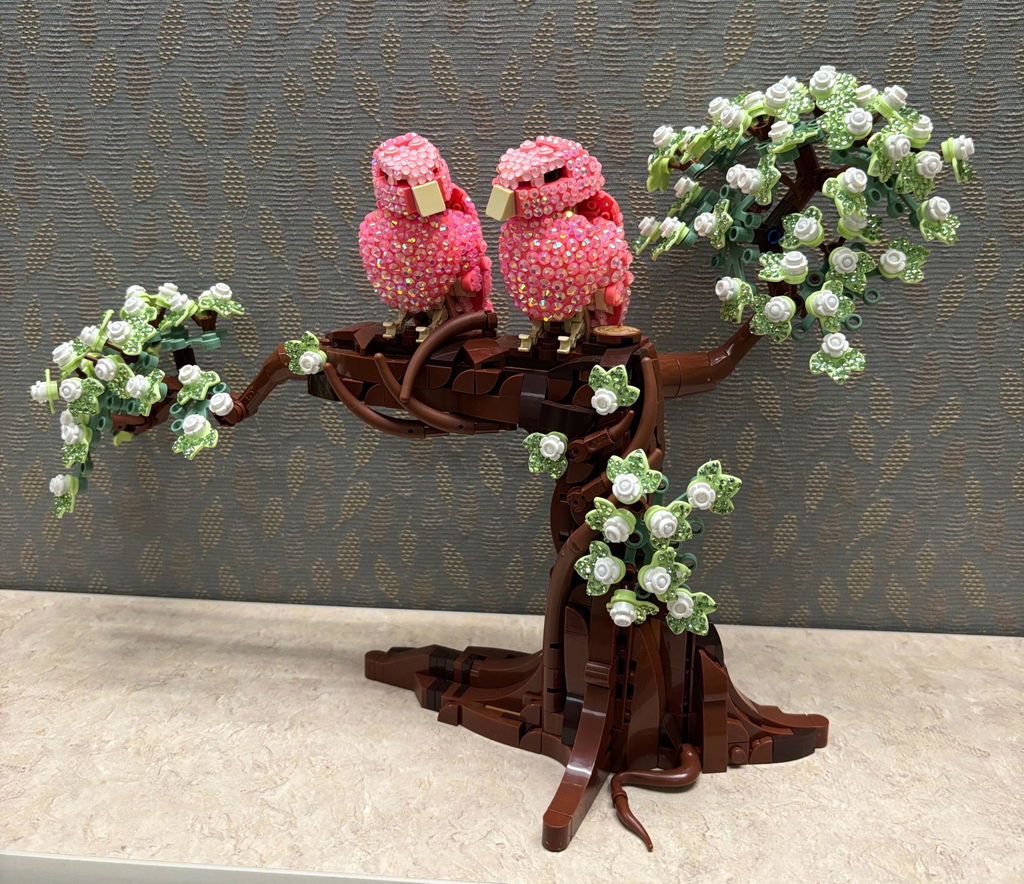
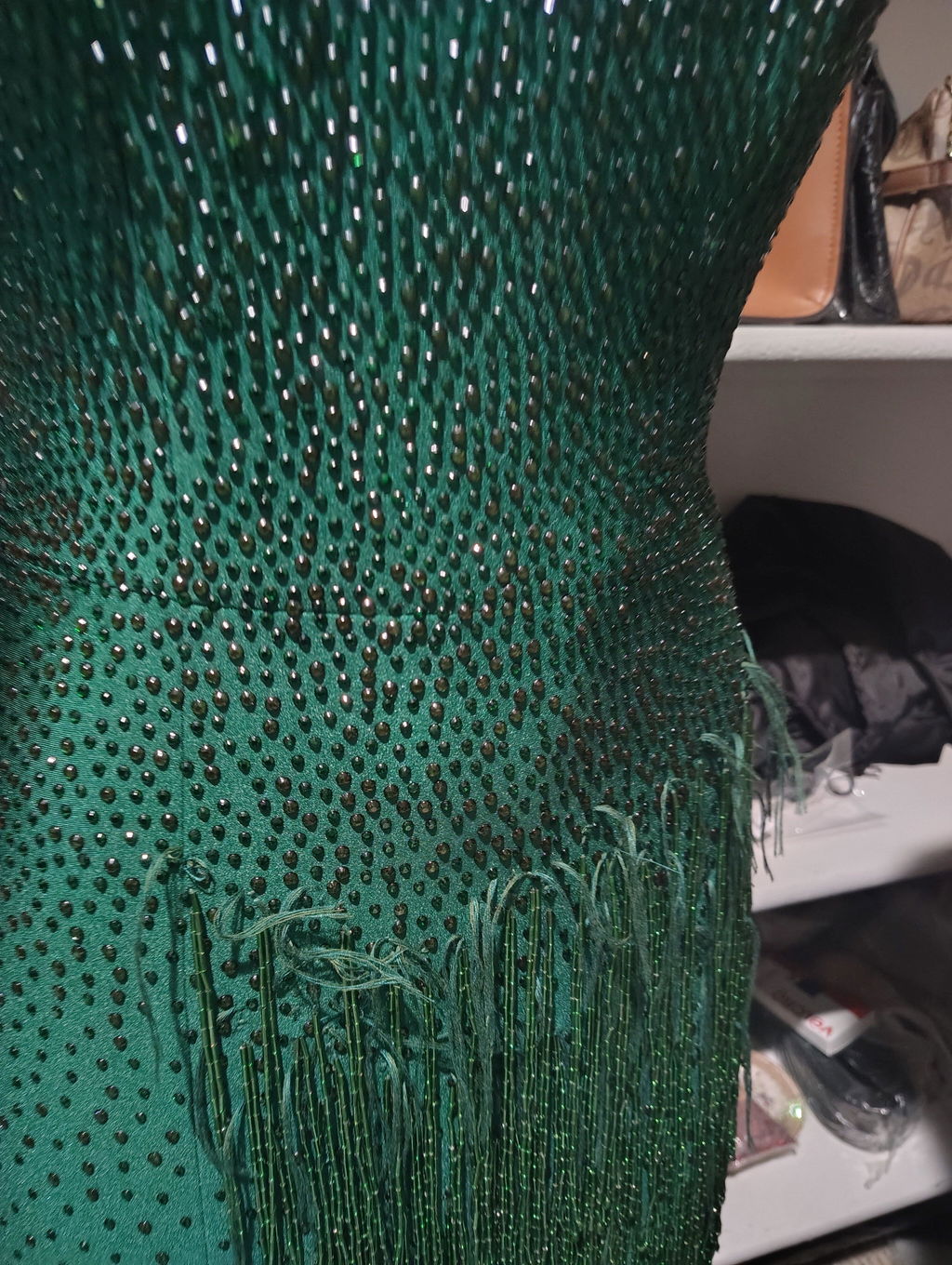
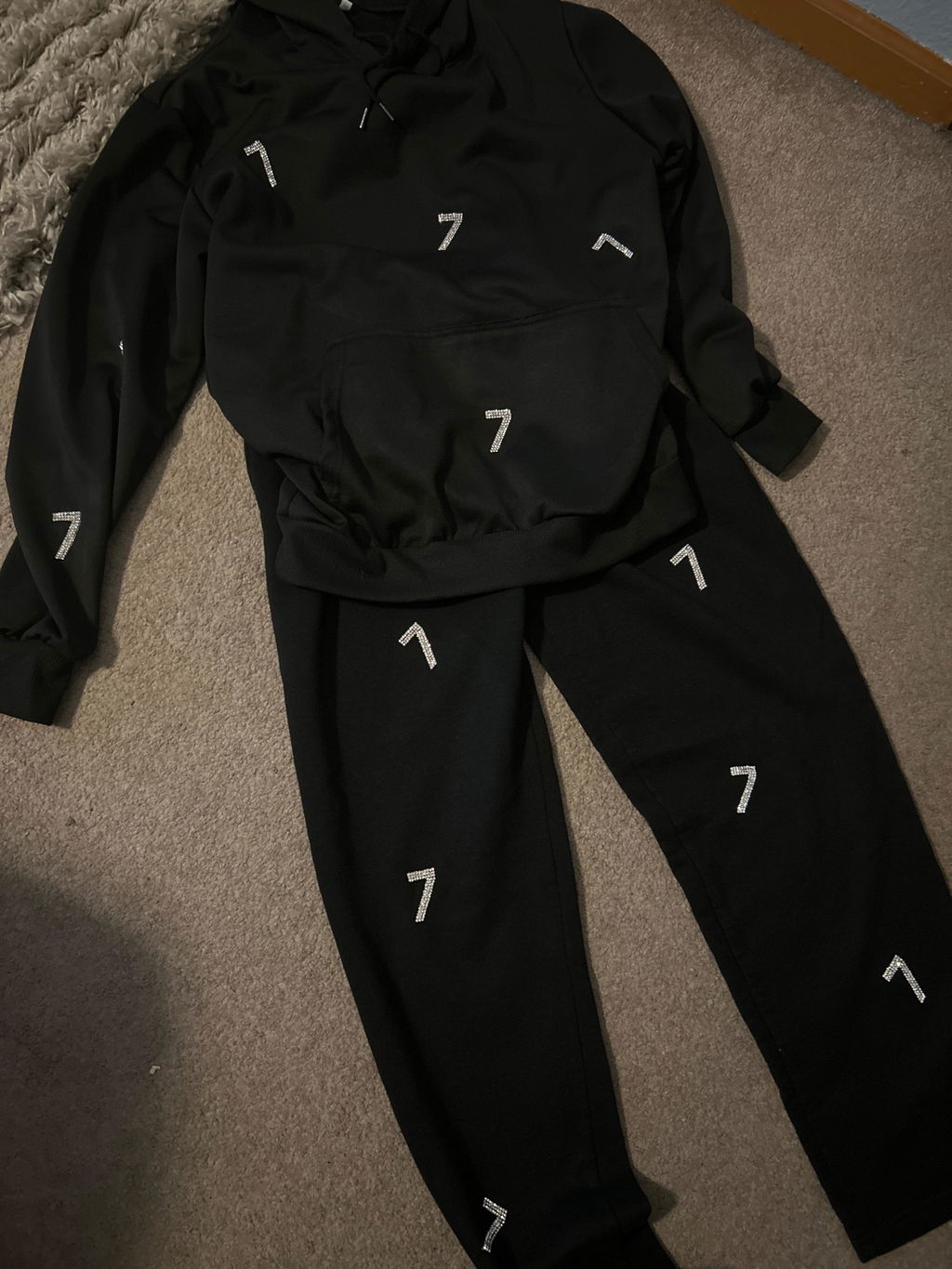
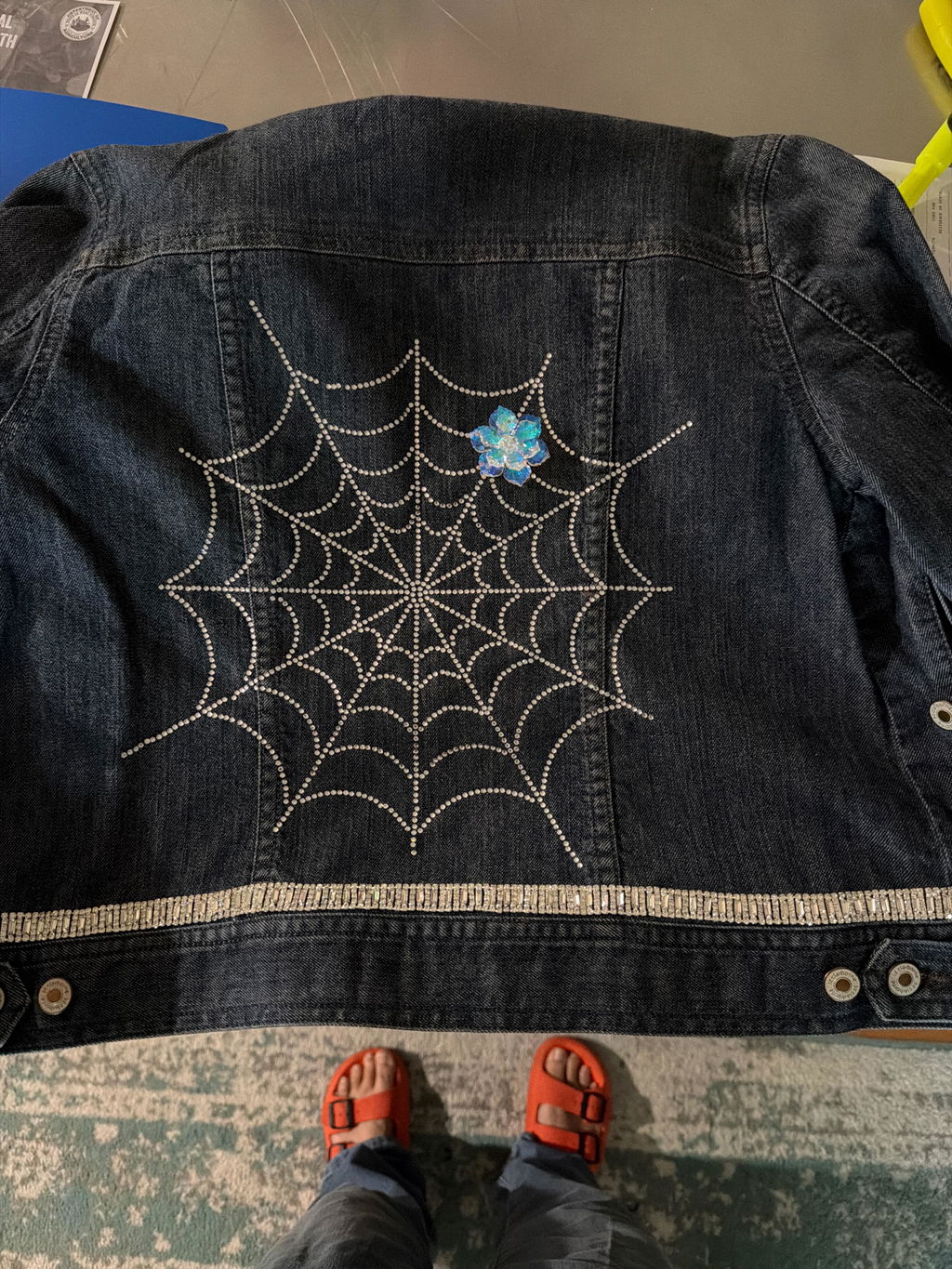
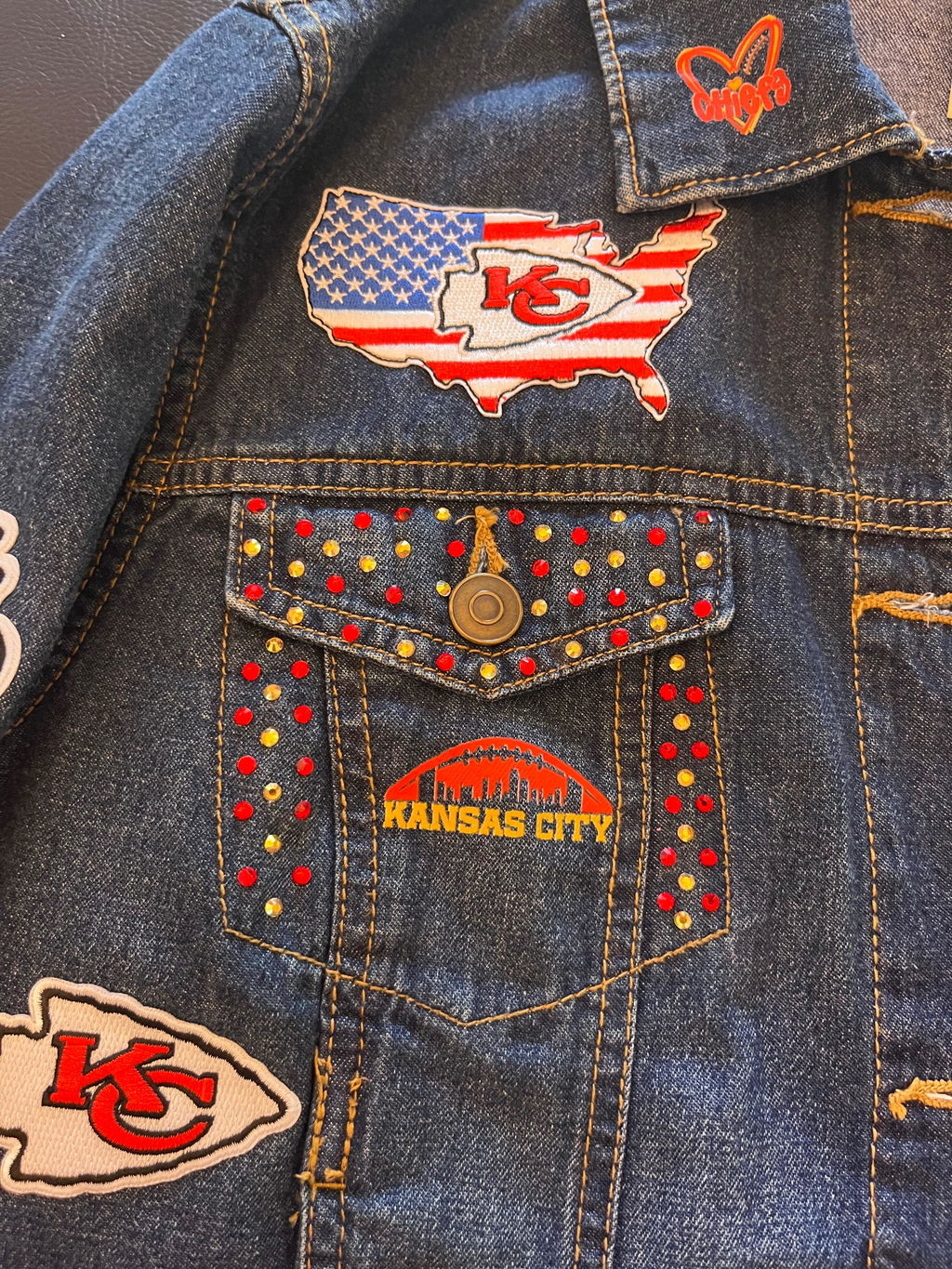
Does your pet’s collar need a bit of sparkle? Are you looking for a way to spice up your dance costume or bachelorette outfit? For a fun, jeweled look, you can’t do better than bedazzled rhinestones. With some preparation and a few pro tips, you can add bling to T-shirts, phone cases, posters, and more! Learn how to bedazzle with these beginner steps and get started on the right project for you.
Table of Contents
Essential Tools and Materials for Bedazzling Success
What Can You Bedazzle? (Almost Everything!)
Step-by-Step Bedazzling Techniques for Beginners
Pro Tips for Professional-Looking Results
Fun Bedazzling Project Ideas for Every Skill Level
Essential Tools and Materials for Bedazzling Success
Welcome to the creative world of bedazzling. These are the tools and materials you need to get started.
1. Rhinestones
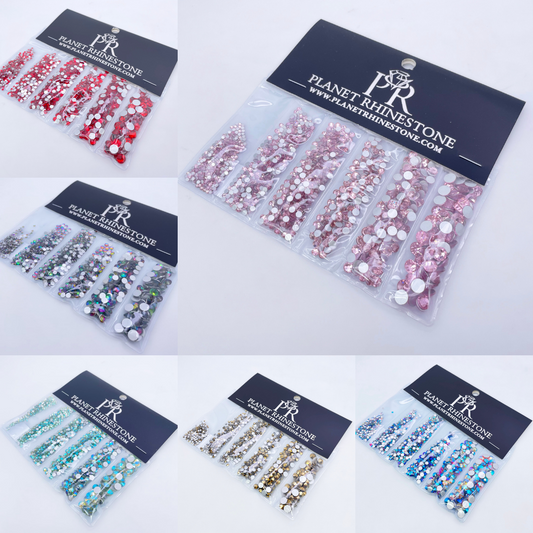
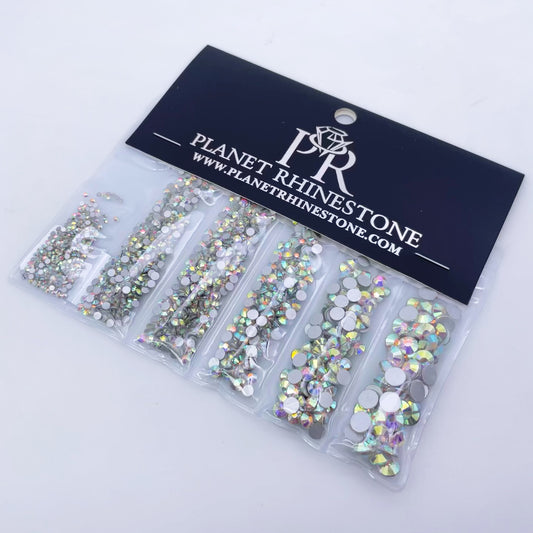
There are all types of rhinestones. The exact sizes, colors, and finishes you need will depend on your project. Picking the right rhinestone is the most important decision, and these are the various gems and beads you can pick from:
Sew-on Rhinestones: These faceted stones have a flat back and small holes along the edges. You can attach them in two ways: stitching for maximum security or gluing for speed.
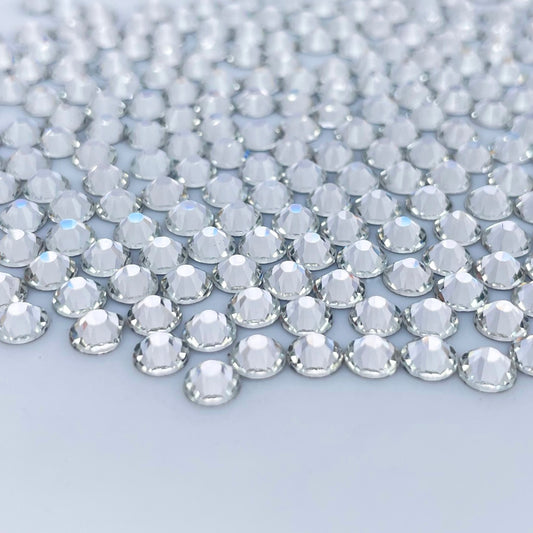
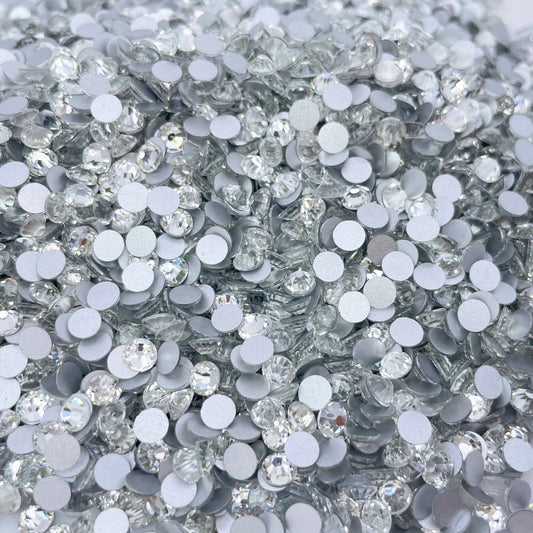
Flatback Rhinestones: These don’t have stitching holes, so you attach them with adhesive. Many are foiled on the bottom, which helps bounce light back up through the facets for a brighter look.
Pointed-back Rhinestones: These are faceted on the top and along the base, which helps light reflect through the stone. You can’t glue these onto a flat surface — they need a cup setting or a frame to hold them in place.
Hotfix Rhinestones: These have a raised backing with heat-activated adhesive. When heated with a press, wand, or mini iron, the glue melts and bonds especially well to fabrics.
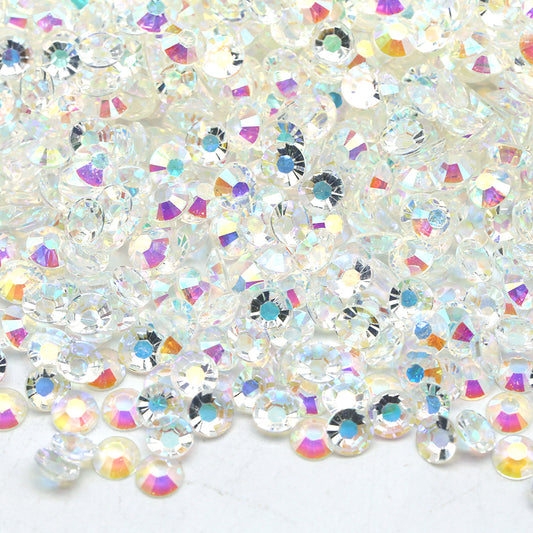
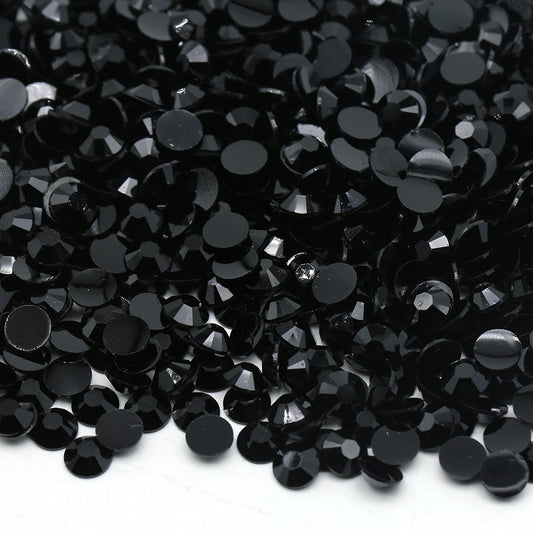
Jelly Rhinestones: These plastic-like resin stones are lightweight, affordable, and popular for crafts like phone cases and nail art.
2. Adhesive Options
One of the biggest beginner mistakes in bedazzling isn’t placement. It’s using the wrong adhesive. If your rhinestones fall off, it’s almost always because the glue or application method didn’t match the material.
We’ll cover attachment methods later on. For now, you need to select the right adhesion product for your rhinestones:
Hotfix application: Since hotfix rhinestones already have glue built into their backing, you activate the glue using heat. The applicator tool heats the stone and melts the adhesive, which then bonds to the material as it cools.
Glue application: Standard craft glue dries clear and is easier to control than heavy industrial glues.
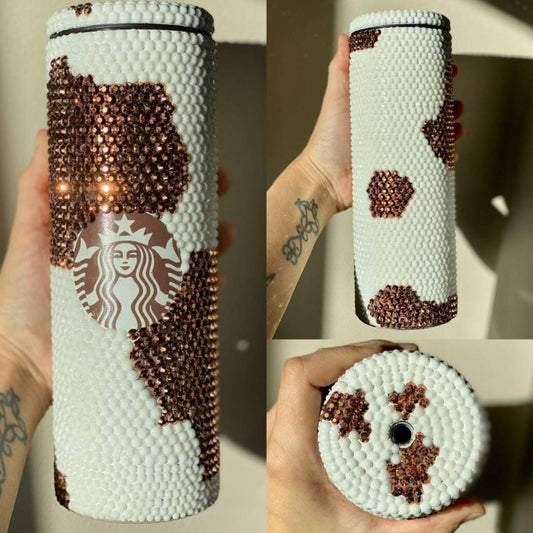
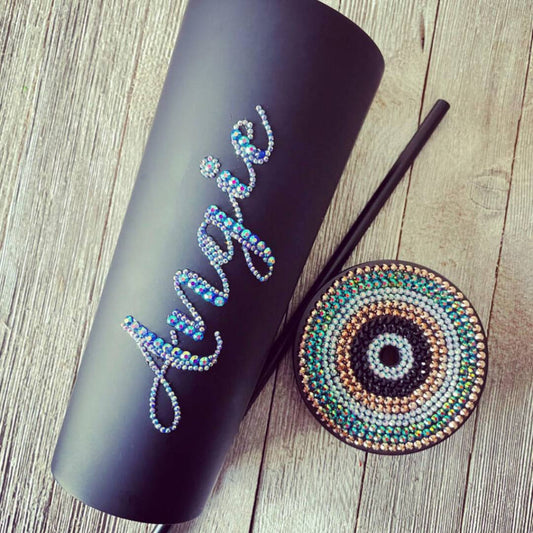
E6000 multi-purpose glue application: E6000 is a “heavy-duty” rhinestone adhesive. If you see professional rhinestone tumblers or performance costumes, this is often what was used.
3. Applicator Tools
Small stones are difficult to handle with just your fingers; using the right applicator tool makes your work faster and far less frustrating. If you’re working with hotfix rhinestones, you’ll need a handheld hotfix applicator tool. Otherwise, you can use a gem picker or tweezers.
A gem picker is basically a specialized wax pencil. It’s the most common tool beginners use since it’s so easy to handle. The wax tip lightly grips the rhinestone so you can lift and position it accurately without dropping it into the glue.
Tweezers are useful for larger stones and make it easy to gently reposition them before the adhesive sets. Many crafters keep both a wax pencil and tweezers nearby and switch between them as needed.
As you assemble your tools, grab some toothpicks, which are useful for making precise glue dots, and a small tray to keep your rhinestones from rolling away.
4. Design Templates
You can bedazzle freehand, but beginners usually get better results when they plan the design before placing the first stone. To map out your design, you can use:
Transfer tape: You can arrange rhinestones on the tape first, then move the entire design onto your project at once.
Stencils: Trace or lightly mark the shape on your final surface, then place stones along the guide.
Freehand sketching: Draw your pattern onto the item with a washable marker or pencil. Make sure not to use a permanent marker.
What Can You Bedazzle? (Almost Everything!)
You can bedazzle pretty much anything. If a surface can safely hold adhesive or accept stitching or heat, you can usually decorate it with rhinestones. Here are some of the most common categories to get your sparkly ideas flowing:
Clothing and accessories: T-shirts, jeans, shoes, hats, bags, and jewelry
Phone cases and tech accessories: Custom personalized devices
Pet accessories: Collars, leashes, and special outfits
Home decor: Picture frames, vases, mirrors, and decorative accents
Costumes: Dance competition outfits, Halloween costumes, and cheer gear
Party and event items: Centerpieces, signage, favors, and celebration decor
Step-by-Step Bedazzling Techniques for Beginners
Gather all your tools and materials in a ventilated area. You’re about to be working with a lot of glue, and it’s best to avoid breathing in the fumes. Most importantly, you need to buy enough rhinestones to finish your first project.
Determining how many crystals you need requires a bit of math. Measure the area you’re bedazzling, and divide that area by the size of the stones you chose. Always buy more rhinestones than you think you’ll need. This will save you from making a last-minute trip to the craft store for more rhinestones.
Bedazzling takes longer than people expect, and you don’t want to rush your first project. Work while watching TV, listening to music, or doing some other leisure activity. Most people finish projects over several days.
Different crystal sizes may take longer to bedazzle with. For example, it will take much longer to bedazzle a standard phone case with small SS6 than with larger SS30.
Now, it’s time to bedazzle! Follow these steps for a seamless first bedazzling experience.
Step 1: Prepare Your Surface
The right preparation determines whether your rhinestones stay on or fall off.
Clean the object with rubbing alcohol.
Let it fully dry.
Lightly sand smooth plastic or glossy surfaces.
If the base color differs from the stones, you can paint or color the surface to match the right color of your rhinestones so any tiny gaps blend in and look intentional.
Step 2: Plan Your Design
Before glue touches anything, decide on a color scheme and design. Choose a pattern like solid color coverage, stripes, ombré, shapes, or random, and sketch your layout with a pencil or a washable marker.
If you’re doing full coverage, like for a phone case, no drawing is required, since you’ll work in rows.
Step 3: Apply the Glue
Place a tiny dot of glue directly onto the item using a toothpick.
Place the rhinestone onto the glue.
Focus on placing every single crystal carefully rather than rushing, since precise placement early prevents crooked rows later.
Try to work in small sections, about 0.5 inch to 1 inch at a time, and wait one to two minutes for the glue to become slightly tacky before placing the stone.
Step 4: Place the Rhinestones
Now the actual bedazzling begins. You are essentially building a brick pattern.
Start in an area you won’t need to hold (toe of shoe, edge of phone case, corner of object).
Place stones side-by-side in a row.
Create a second row tucked into the gaps of the first row, forming a clean pattern where each row beneath the previous one sits slightly offset like bricks.
Continue downward.
Step 5: Fill the Gaps
Curves cause spaces, no matter what you do. Use smaller rhinestones to fill triangular gaps and cover edges. You can expect to use about ¼ to ⅓ as many small stones as large stones.
Step 6: Let It Dry Properly
This step determines durability. Do not touch your bedazzled item for 24 hours for E6000, and always avoid moisture while curing. You also can’t wear or use the bedazzled object for at least 48 hours after application.
After drying in a well-ventilated area, gently press the stones to confirm adhesion.
Pro Tips for Professional-Looking Results
Bedazzling is simple to learn, but what separates a beginner piece from a professional-looking piece is technique. Small adjustments make a huge difference.
Work in small sections: Apply adhesive to only a tiny area at a time. Small sections prevent sliding and let you focus on precise placement rather than rushing.
Keep spacing consistent: Straight rows create the clean, “store-bought” look people associate with professional work. Periodically step back and look at your project from a distance to see if your alignment is off.
Layer different sizes and colors: Professional designs rarely use a single stone size. You can also blend two shades of the same color or add a few contrasting accent stones to create dimension.
Seal your finished project: After the adhesive has fully cured, a light coat of clear acrylic spray sealant can help protect your work.
Buy from one manufacturer: Even stones labeled the same color can vary slightly between brands or production batches. Purchasing all rhinestones at once and from the same manufacturer keeps the sparkle uniform and the design cohesive.
Fun Bedazzling Project Ideas for Every Skill Level
You don’t need to jump straight into covering an entire jacket or pair of heels. Starting with small projects helps you learn how to work with your glue and how long placement actually takes. As your confidence improves, you can move into more detailed designs.
Beginners: Simple phone case designs, headband embellishments, or name monograms
Intermediate: Custom sneakers or cowboy boots, denim jacket designs, or picture frame borders
Advanced: Full garment coverage, intricate patterns, or large event decorations
Kids’ projects: School supplies, hair accessories, or personalized backpack tags
The best rule of thumb is that beginner projects should be small and flat. These projects teach basic placement and how much adhesive to use without overwhelming you. A phone case is especially popular because the surface is predictable and you can complete it in one or two sessions.
The most advanced projects require patience and a lot of planning. You’ll also likely need large quantities of rhinestones. Covering an entire garment or creating a detailed design involves mapping patterns and working in sections over multiple days.
Learn How To Bedazzle With Planet Rhinestone
When you choose the right color and build each row beneath the last, your finished piece will look balanced and professional. Start with a small project, follow the steps in this guide, and you’ll quickly transform everyday items into eye-catching custom pieces.
Ready, set, bedazzle! Gather your supplies and explore Planet Rhinestone’s selection of stones, adhesives, and tools to create your first sparkling project today.
FAQs
Can bedazzled items be washed?
Yes, if you use a proper adhesive. To wash a bedazzled item, turn the item inside out, wash on a gentle cycle, and air dry. Hotfix applications typically withstand washing better than glue. For best results, avoid hot water and harsh detergents, which can weaken the bond and dull the stones’ shine.
How do I remove rhinestones if I make a mistake?
Heat the adhesive with a hairdryer to soften the glue, then gently lift the stone with tweezers and work quickly before the adhesive re-hardens. After removal, clean away leftover residue before placing a new stone so the replacement sits flat and secure. Try to catch the mistake early before the glue really sets in.
Do rhinestones fall off over time?
Proper surface prep and quality adhesive ensure longevity; most bedazzled projects last years with normal use and care.
Where can I buy quality rhinestones and supplies?
Planet Rhinestone offers professional-grade glass rhinestones, adhesives, and tools suitable for DIY crafters at all experience levels. Keep in mind that purchasing from a consistent supplier also helps ensure color matching and uniform sparkle across your entire project.